Lawrence County, IL | Post-Frame Construction & Metal Buildings
Around Lawrence County
Lawrence County has a mix of working industry, outdoor recreation, local gatherings, and history that shapes what property owners need from a building.
Lawrenceville, incorporated in 1835, is the county seat. Just east of town, the Toyota Boshoku door and seat plant employs nearly 1200 people. Manufacturing is one of Lawrence County’s dominant industries.
The Mid-American Air Center is another major piece of the local landscape. Its 3,000-acre site is the 3rd largest airport in Illinois, with two 5,200-foot, hard-surfaced runways. A facility of that scale helps explain why flexible commercial and storage buildings make sense in Lawrence County.
Outdoor life matters here, too. Red Hills State Park and Lincoln Trail State Memorial offer places to hike, while the Red Hills campground has more than 100 campsites. The 40-acre Red Hills Lake is ideal for fishing and boating. Those destinations make secure RV and recreational storage useful for owners who want their campers, boats, and outdoor gear under a roof when they are not in use.
Chauncey Marsh Nature Preserve covers 627 acres and contains the best remaining example of a Wabash Border Marsh Ecosystem. Baldwin Lake adds another fishing destination, with species that include Black Crappie and Channel Catfish.
Downtown Lawrenceville stays active with events such as the Lawrence County Fall Festival, scheduled for September 16, 2026 through September 19, 2026 at the Downtown Square. The Basketball Capital Classic follows on November 27-28, 2026. Local events like these create a reason for adaptable retail, restaurant, gathering, and event spaces that can handle both everyday use and busier community dates.
Lawrence County also carries a distinctive history. The county was named for the commander of the Chesapeake, who was mortally wounded during the War of 1812.
Building on Lawrence County Soil
Drainage deserves attention before a post-frame or metal building is placed here. Across Lawrence County, 62.1 percent of the land is poorly drained. Bluford is somewhat poorly drained, while Darwin is poorly drained. In plain terms, a site may hold water longer after wet weather instead of letting it move away quickly.
That matters around embedded posts, entrances, and the floor area. The building should sit where water can be directed away rather than allowed to collect beside posts or flow through doors. Careful grading and a properly prepared gravel base can help create a firmer, drier working surface. Site placement also matters. A convenient low spot may not be the best building pad if it naturally gathers runoff. Built-Mor Buildings can account for how the property will be used while the owner considers access, elevation, drainage, and the finished grade around the structure.
What People Build in Lawrence County
Agriculture remains part of the county’s economy, so machine storage is a natural fit for tractors, implements, and other farm equipment. A post-frame layout can provide a broad, practical interior that keeps machinery together and out of the weather.
These can be planned around inventory, equipment, work areas, vehicle access, or a combination of uses rather than forcing the owner into a standard layout.
With more than 100 campsites at Red Hills State Park and boating available on Red Hills Lake, RV storage is another locally useful option. A purpose-built structure can be sized around the owner’s camper, towing vehicle, boat, and related outdoor equipment.
Lawrence County’s festivals and community programs can also support a wedding and event venue or a retail and restaurant building. The Lawrence County Fall Festival brings activity to the Downtown Square, while the Basketball Capital Classic gives the community another scheduled gathering. Lasata Winery, described as a place for drinks with friends and family, provides a direct local reason for winery buildings as well.
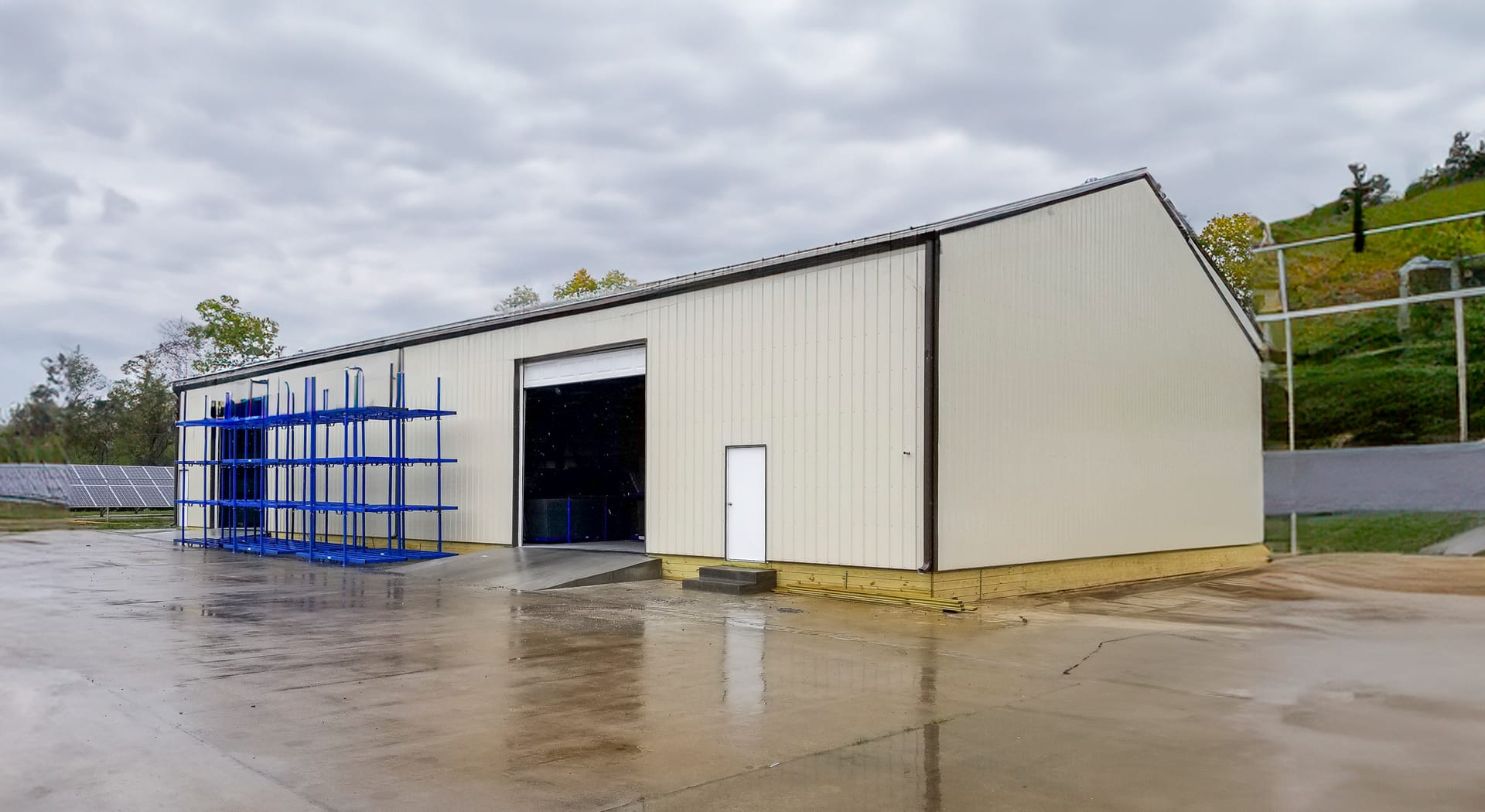
Built-Mor Buildings designs post-frame and metal buildings around the use the owner actually has in mind, whether that means open machine bays, enclosed commercial storage, customer-facing space, or room for recreational vehicles.
One Built-Mor customer put it simply: “20 years old ,still satisfied, looks as good as it did when built” (Ron W., Google review).
Towns Served in Lawrence County
Built-Mor Buildings serves property owners in Lawrenceville, Sumner, Bridgeport, St. Francisville, and Russellville.
These communities are connected to the rest of the county by routes that include U.S. Route 50, Illinois Route 1, Illinois Route 33, and Illinois Route 250. For a building owner, access from the road to the proposed building site is part of the planning conversation, especially when the finished structure will receive farm machinery, commercial vehicles, campers, or regular customer traffic.
Planning a Building in Lawrence County
A useful Lawrence County building starts with a clear purpose and a careful look at the property. The owner should consider what needs to fit inside, how vehicles will approach and turn, where doors need to go, and whether future equipment or storage needs may call for more room.
The site itself deserves equal attention. With poorly drained ground common across the county, water movement should be considered early rather than after the building is standing. The location of the pad, the direction of the finished grade, and the gravel base all affect how comfortably the building can be reached and used after wet weather.
Built-Mor Buildings can help turn those practical needs into a custom post-frame or metal-building plan. The goal is not simply to place a structure on the property. It is to plan a building that fits Lawrence County life, from farm machinery and manufacturing-related storage to campers, local businesses, and spaces where people gather.
Post-Frame Construction in Southern Illinois
What soil conditions in Southern Illinois affect pole barn construction?▼
Southern Illinois has variable soil conditions ranging from clay-heavy bottomland near rivers to well-drained loess soils on uplands. Clay soils require deeper post embedment or concrete piers to prevent frost heave. BuiltMor evaluates your site and engineers the foundation appropriately — posts are typically set 4 to 6 feet deep depending on soil type and building size.
What snow load requirements apply to pole barns in Southern Illinois?▼
Southern Illinois is in a 20-25 pound per square foot ground snow load zone under Illinois building codes. BuiltMor engineers all structures to meet or exceed local snow load requirements. Roof pitch, truss spacing, and lumber grades are specified based on your county's requirements and the intended use of the building.
Do I need a permit for a pole barn in Southern Illinois?▼
Most Southern Illinois counties require building permits for pole barns and post-frame structures. Requirements vary by county — some have size thresholds, others require permits for any permanent structure. BuiltMor handles permit applications and inspections as part of your project. We know the requirements in each county we serve.
How do Southern Illinois weather conditions affect post-frame buildings?▼
Southern Illinois experiences hot, humid summers and cold winters with occasional ice storms. Post-frame buildings handle these conditions well when properly engineered. BuiltMor specifies pressure-treated posts rated for ground contact, appropriate ventilation for humidity control, and steel roofing and siding that withstand temperature swings and severe weather.
What areas does BuiltMor serve in Southern Illinois?▼
BuiltMor Buildings serves all of Southern Illinois, from the Metro East (St. Clair, Madison counties) south to Massac and Pulaski counties, and east to the Indiana border. We are a local contractor based in Southern Illinois — not a national kit company. We build complete structures on your site.